 blog
blog
High-End Tile Contractors: What Sets Them Apart
Table of Contents
- What Defines High-End Tile Contractors
- How to Vet Tile Contractors for Quality and Reliability
- Tile Waterproofing Standards and Hidden Installation Work
- Luxury Tile Installation Cost: Understanding the Investment
- Specialty Projects: Custom Showers, Historic Homes, and Complex Layouts
- Substrate Preparation and Material Selection in High-End Work
- Project Management and Timeline Reliability
- Frequently Asked Questions
Last Updated: September 25, 2026
What Defines High-End Tile Contractors
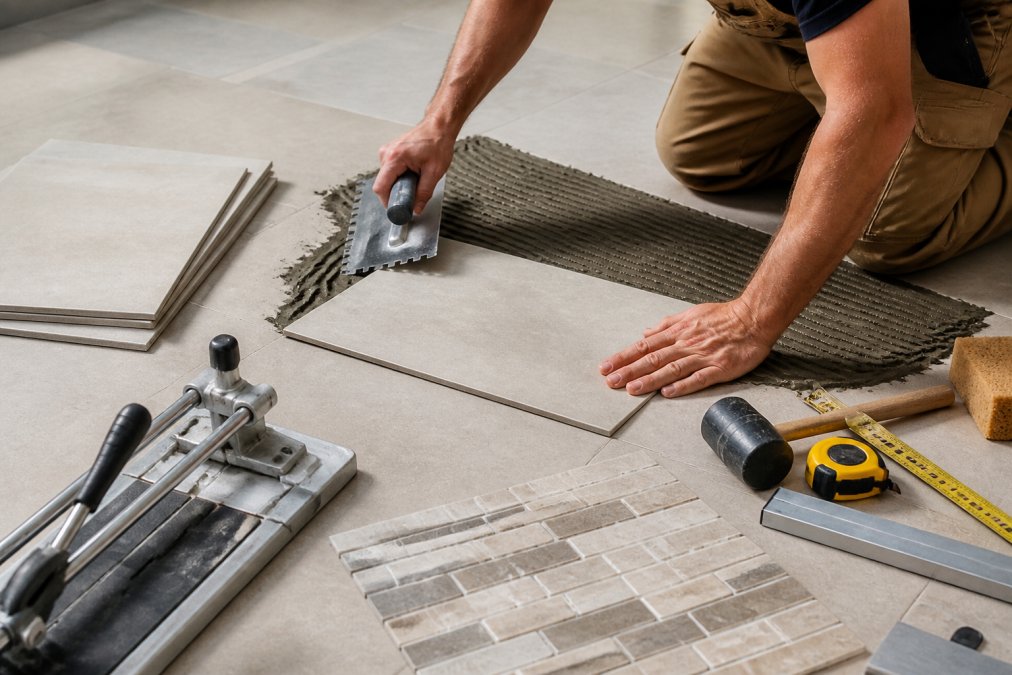
High-end tile contractors distinguish themselves through meticulous attention to both visible and hidden installation work. The difference between adequate tile work and exceptional craftsmanship becomes apparent within months, when grout cracks, tiles pop, or water damage emerges behind walls. At RTS Remodel, we focus on substrate preparation, waterproofing systems, and installation standards that most contractors rush through or skip entirely.
High-end tile contractors understand Schluter standards, thin-set methods, mortar beds, material compatibility, and manage the entire project ecosystem from demolition through grouting to prevent costly mistakes.
High-end tile work protects your home: failed waterproofing allows water into framing, inadequate substrate prep causes tiles to loosen and grout to crack within a year, and inexperienced contractors produce rushed, fragile results.
How to Vet Tile Contractors for Quality and Reliability
Vet contractors by asking specific questions about their process. Most tile failures, grout cracking, tiles popping, water damage, trace to substrate prep and waterproofing decisions, not tile selection.
Start by asking about their waterproofing system. Do they use Schluter systems, membrane applications, or something else? Can they explain why their choice matters for your specific project? A contractor who can't articulate their waterproofing approach is likely using inconsistent or outdated methods.
Request references from comparable-complexity projects and ask specifically about hidden work quality and post-completion issues. Contractors confident in their process connect you with clients from challenging projects.
Ask how they handle subfloor issues, whether they use cement board or waterproofing membranes, and if they test for moisture before beginning. Contractors who invest in substrate assessment catch problems early.
Inspect their work in person: check grout consistency, tile alignment, and levelness. Ask about material maintenance, if they can't explain care requirements, they may not understand the materials.
Tile Waterproofing Standards and Hidden Installation Work
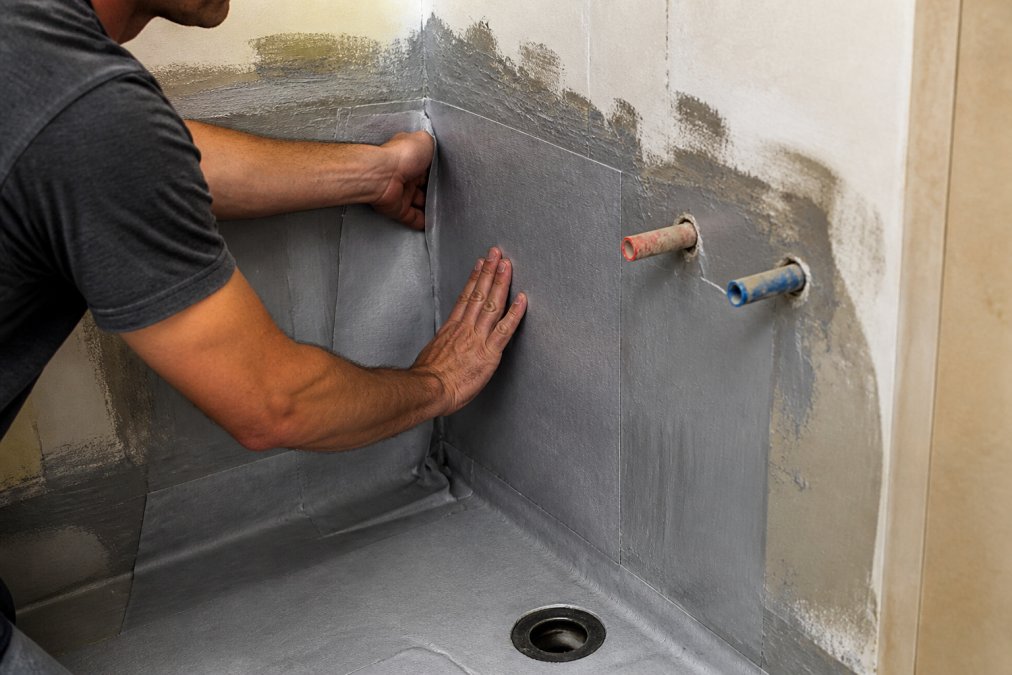
Waterproofing is the invisible foundation of tile durability. Contractors often skip unseen steps, but proper waterproofing prevents water infiltration, mold, structural damage, and costly repairs.
Waterproofing Systems and Standards
In wet areas, waterproofing systems include moisture barriers applied before tile installation. Schluter systems are industry-standard for high-end work because they create a complete drainage plane; traditional approaches use liquid or sheet membranes applied to drywall or cement board.
Substrate choice matters: cement board handles moisture better than drywall in wet areas; mortar beds provide superior waterproofing but require more skill; thin-set works well with meticulous prep and proper waterproofing membranes.
Grout Selection and Sealing
Grout sealing extends tile life significantly by preventing water absorption. Proper grout selection depends on application and moisture exposure:
- Cement-based grout is most common and affordable ($0.50-$1.50 per linear foot installed) but is porous and requires sealing. It's suitable for low-moisture areas and decorative applications.
- Epoxy grout resists moisture and staining better than cement-based grout, costs 2-3× more ($1.50-$4 per linear foot), and requires professional installation due to fast cure time. It's ideal for wet areas and high-traffic spaces.
- Urethane grout offers a middle ground, better water resistance than cement-based, easier to install than epoxy, and costs $1-$2.50 per linear foot.
Seal cement-based grout within 48-72 hours of installation. Penetrating sealers prevent water absorption. High-end contractors include sealing in final work; skipping it invites water damage within months.
Long-Term Maintenance and Care
Protecting your high-end tile investment requires ongoing maintenance. Understanding material-specific care prevents premature deterioration and keeps installations looking new for decades.
Natural Stone Tile Maintenance: Marble, limestone, and slate require sealing every 1-3 years. Use pH-neutral cleaners only, acidic cleaners etch stone. Avoid abrasive scrubbers. Wipe spills immediately and squeegee showers after each use to prevent water spotting.
Porcelain and Ceramic Tile Maintenance: These non-porous materials are low-maintenance. Clean with pH-neutral cleaner or mild soap. Avoid acidic or bleach-based cleaners. Reseal cement-based grout every 1-3 years and address cracks promptly to prevent water infiltration.
Grout Care: Inspect grout quarterly for cracks or discoloration. Seal small cracks with colorant or caulk; larger damage requires professional restoration. Compromised grout is the leading cause of water damage behind tile, leading to mold and costly structural problems.
Shower-Specific Maintenance: Squeegee after each shower and run exhaust fans during and 30 minutes after. Recaulk corners and fixtures annually. Check for water staining on grout, an early sign of infiltration.
Addressing Common Issues: Loose or cracked tiles indicate substrate failure or inadequate thin-set. Water staining suggests grout or waterproofing failure requiring professional assessment. Mold indicates moisture retention, improve ventilation and seal grout.
Request written care instructions and sealing schedules as part of project completion. If a contractor can't explain material maintenance, they may not fully understand those materials.
Luxury Tile Installation Cost: Understanding the Investment
High-end tile pricing depends on material selection, complexity, substrate condition, and the contractor's approach to hidden work. Understanding cost drivers helps you evaluate whether quotes reflect genuine quality.
Material Costs by Category
Material costs represent 30-50% of total expense. Ceramic tile, porcelain, natural stone, and artisan tiles each have varying costs. Large-format tiles cost more due to manufacturing precision and breakage risk.
A typical kitchen backsplash with mid-range porcelain and a bathroom shower surround with natural stone will have varying material costs.
Labor Costs and Complexity Multipliers
Labor represents 50-70% of total cost and reflects contractor experience, complexity, and substrate condition. Straightforward applications have a certain labor cost; complex projects cost significantly more.
Custom showers with curved walls and architectural details command a higher labor cost. Walk-in showers with benches and niches require advanced planning. Historic home work costs more due to original plumbing and structural quirks.
Geometric inlays and intricate designs cost more. Substrate repair adds to the cost depending on damage extent.
Waterproofing and Hidden Work Premiums
Waterproofing systems add to the cost but prevent costly repairs. Schluter systems and liquid membranes cost more upfront but are standard in high-end work. Contractors skipping waterproofing may quote lower but risk failures within 18 months.
Substrate assessment and preparation add to the cost. Quality contractors invest time here; budget-focused contractors cut corners.
Real-World Project Examples
A master bathroom remodel with mid-range porcelain will have a certain total cost. With natural stone and custom waterproofing, it will be higher. A luxury walk-in shower can also be a significant investment.
What Quality Quotes Should Include
Ask for itemized quotes detailing material costs, labor costs, substrate assessment, waterproofing system, grout and sealing, and timeline. Lump-sum quotes without itemization may hide corner-cutting.
RTS Remodel approaches pricing as an investment in durability. Our detailed substrate assessment, comprehensive waterproofing systems, and meticulous installation standards cost more upfront but prevent costly repairs and replacements later. A shower that lasts fifty years instead of ten justifies higher initial investment.
Specialty Projects: Custom Showers, Historic Homes, and Complex Layouts
Specialty tile projects demand contractors who understand unusual materials, complex installations, and problem-solving. A standard bathroom remodel differs fundamentally from a custom walk-in shower with curved walls or a historic home renovation requiring careful handling of original structures.
Substrate Preparation and Material Selection in High-End Work
Substrate preparation determines longevity more than any other factor. Perfect tile on compromised substrate fails; excellent substrate supports challenging materials and complex layouts.
Project Management and Timeline Reliability
Timeline reliability and clean project management distinguish high-end contractors from others. A well-managed project minimizes disruption to your home, prevents costly delays, and delivers predictable results.
Frequently Asked Questions
What should I look for when hiring a high-end tile contractor?
Look for contractors with documented experience in your specific project type (custom showers, historic homes, or complex layouts). Request references from completed projects and ask about their substrate preparation and waterproofing process—the hidden work determines whether tiles last decades or fail within years. Verify they understand tile waterproofing standards and can explain their approach to moisture management. Ask to see their portfolio and inquire about certifications like Schluter or similar professional credentials that demonstrate commitment to installation standards.
How do I distinguish between standard and luxury tile installation?
Standard installation focuses on placing tiles correctly; luxury installation encompasses the entire system: proper substrate preparation, waterproofing membranes, mortar bed composition, grout restoration techniques, and tile sealing. High-end contractors manage every detail from demolition through final finishing, handle unusual materials and architectural precision, and take steps to protect your home during construction. They also address problem-solving for structural quirks, custom layouts, and site-specific challenges that basic installations ignore.
How much does high-end tile installation cost compared to standard work?
Luxury tile installation cost depends on material selection (natural stone and artisan tiles cost more than basic ceramic), project scope (custom showers and complex layouts require more labor), substrate preparation requirements, and waterproofing specifications. High-end contractors charge more because they invest in superior materials, spend time on hidden work that prevents future failure, and handle specialty challenges. Request a detailed estimate that breaks down labor, materials, and system components—this transparency helps you understand what you're paying for beyond the visible tile.
What are the benefits of hiring a specialist for custom shower tile?
Custom shower tile installation requires advanced waterproofing systems, architectural precision, and understanding of water management—areas where mistakes lead to costly water damage. Specialists understand mortar bed installation, grout restoration, tile sealing, and how to handle curved walls or unusual layouts. They manage the coordination between plumbing, framing, and tile work to ensure your shower functions flawlessly. Their experience with complex projects means fewer delays, fewer callbacks, and a shower that performs as intended for decades.