 how-to
How to Fix Leaking Shower Membrane Effectively
Table of Contents
- Diagnose Failed Shower Waterproofing Signs
- Shower Leak Detection: Pinpoint the Source
- Repair Options: Shower Waterproofing Membrane Patch vs. Full Replacement
- Frequently Asked Questions
Last Updated: October 12, 2026
Diagnose Failed Shower Waterproofing Signs
A leaking shower membrane lets water past the waterproofing barrier beneath your tile, damaging the substrate, framing, and walls. Catch it early.
Warning signs: spongy shower floors, dark stains on walls or ceilings below, returning mold, loose tiles, pooling water, crumbling grout, or a musty smell. Any of these usually means the membrane has failed.
Shower Leak Detection: Pinpoint the Source
Before repairing anything, confirm the water's source, not all shower leaks are membrane failure.
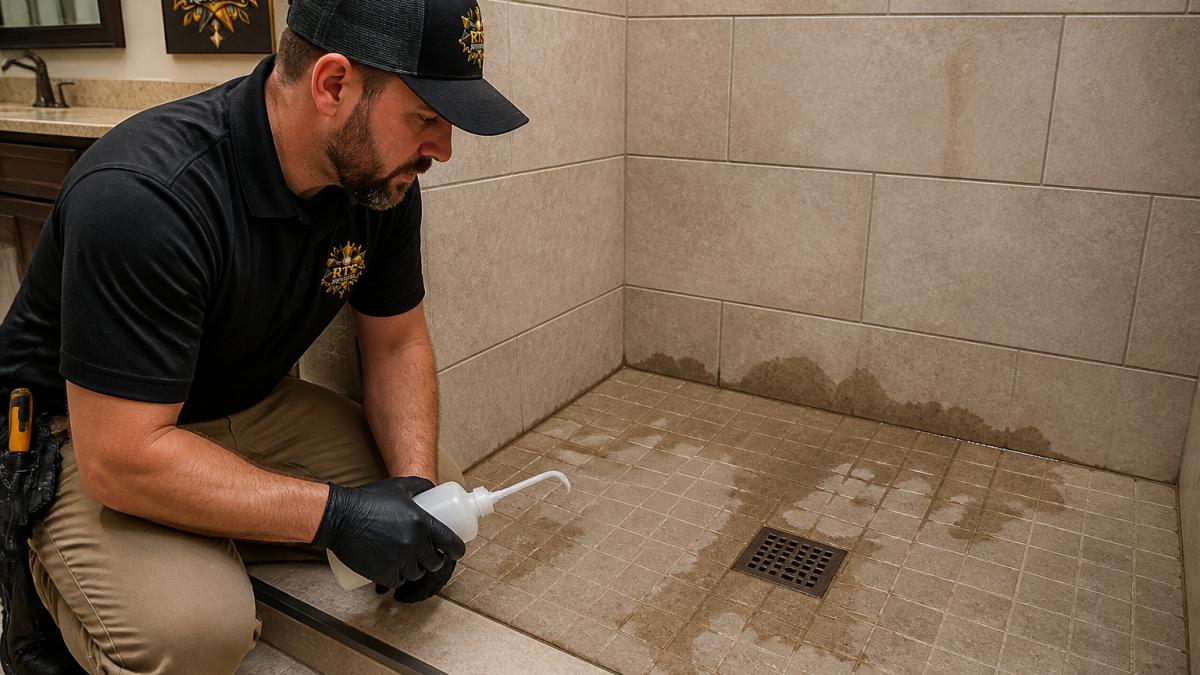
Identify the source:
Plumbing leak? Drips from the showerhead or valve when the shower is off, or running water inside walls.
Fixture leak? Visible drips at the showerhead, handles, or trim ring.
Membrane or grout failure? Water on walls or ceilings below, pooling, slow drainage, or discoloration along grout lines and corners.
A water test confirms it: run the shower 10 minutes, turn it off, and watch. If water keeps dripping or pooling, the membrane has failed and water is trapped behind the tile.
Repair Options: Shower Waterproofing Membrane Patch vs. Full Replacement
Once you've confirmed the leaking shower membrane is the problem, you have two repair paths.
Surface Repair (Patch and Seal)
This seals grout and sealant cracks and applies liquid waterproofing over existing tile, faster and less invasive. But it doesn't fix the failed membrane underneath, trapped water stays, and it only works if damage is minimal and caught early. It's temporary, not permanent.
Full Membrane Replacement
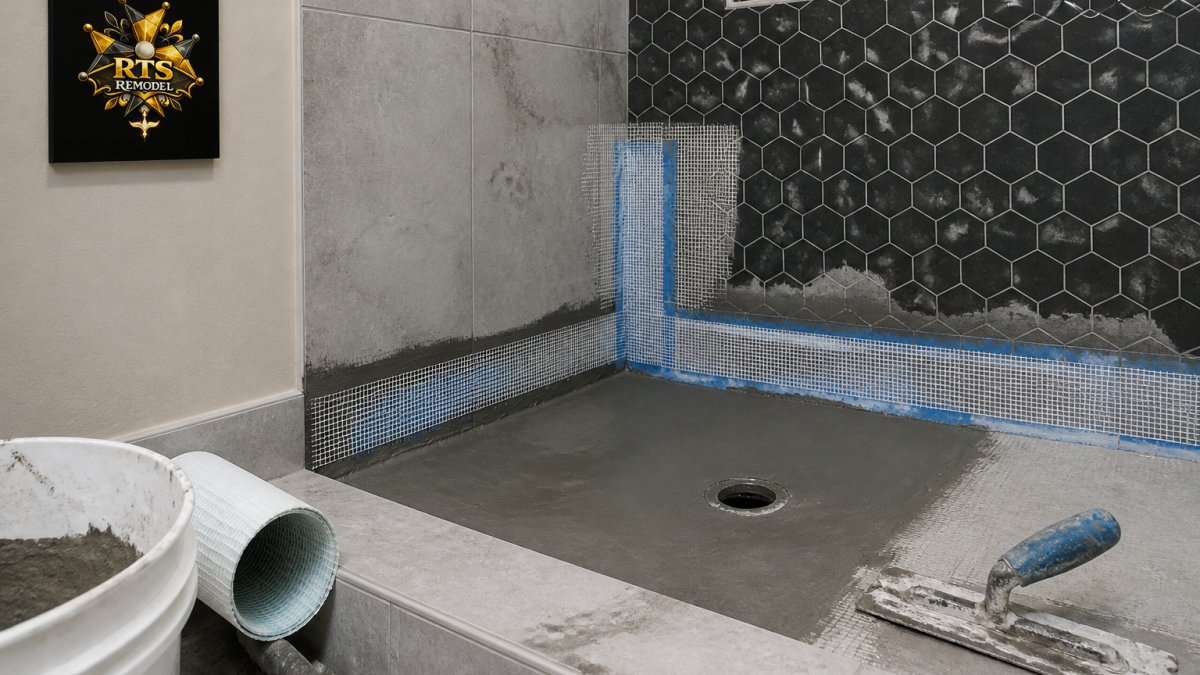
This removes the tile, cuts out the failed membrane, installs new waterproofing, and retiles, the permanent solution. It removes damaged substrate, rebuilds the shower floor with correct slope and drainage, and retiles with proper substrate preparation. It stops the leak, prevents hidden mold and structural damage, and ensures correct drainage. The trade-off is time and disruption, but you get a shower that won't leak again. If your shower damage is extensive or the leak has been ongoing, a full Custom Showers & Tile replacement is the only way to guarantee the problem won't return and to restore your bathroom properly.
A leaking shower membrane is one of the most common reasons homeowners need bathroom work, and it's fixable. The key is a professional assessment to confirm what's failing and choose the right repair.
At RTS Remodel, we diagnose shower leaks carefully and recommend the repair that matches your situation. If you're dealing with a leaking shower in the Treasure Valley, contact us for an estimate, we'll inspect the damage, explain your options clearly, and handle the repair with precision. Whether you need a targeted fix or a Complete Bathroom Remodeling project that transforms your entire space, we're here to help.
Frequently Asked Questions
Can you patch a leaking shower membrane without removing tile?
Yes, surface repairs are possible in some cases. If the membrane failure is localized and the substrate is still sound, applying a waterproofing coating or re-sealing grout and tile joints can stop minor leaks. However, this approach has limits. If water has penetrated deeply, if the substrate is soft or compromised, or if the membrane has failed across a large area, patching will only delay the problem. A temporary fix may buy time, but proper membrane replacement under the tile is the permanent solution. A professional inspection determines whether your shower can be safely repaired without tile removal.
What are the signs of a failed shower waterproofing membrane?
Failed shower waterproofing shows several warning signs: water staining or discoloration on walls or ceilings below the shower, soft or spongy substrate when you press on tile, mold or mildew growth inside the shower or in adjacent areas, grout that crumbles easily, tiles that feel loose or pop, and persistent musty odors. If water appears in rooms adjacent to the shower or in the wall cavity, the membrane has likely failed. These signs indicate water is penetrating past the tile and into the substrate, where it causes structural damage and mold growth.
How do you know if a shower leak is from the membrane or plumbing?
The location and timing of the leak reveal the source. Plumbing leaks occur at the showerhead, valve, or drain connection and leak whether the shower is in use or not. Membrane leaks occur during or shortly after showering, as water penetrates the tile and grout. Check the drain connection first for cracks or loose fittings. Inspect the valve and showerhead for active drips. If water only appears during or immediately after use, and it's coming from the wall or floor rather than a specific fixture, the membrane has failed. Isolating the leak's location and timing helps determine whether you need plumbing repair or waterproofing restoration.