 listicle
5 Best Bathroom Flooring for High Moisture Areas
Table of Contents
- Best Bathroom Flooring for High Moisture Areas: What Works
- 1. Porcelain Tile, Best Overall for High-Moisture Bathrooms
- 2. Luxury Vinyl Plank (LVP), Best Value Alternative
- 3. SPC Vinyl, Best for Rigid Core Performance
- 4. Sheet Vinyl, Best Budget Option
- 5. Ceramic Tile, Time-Tested and Water-Resistant
- Best Waterproof Flooring for Bathrooms: Installation Matters More Than Material
- Slip-Resistant Bathroom Flooring: Safety and Traction Ratings
- Choosing the Right Flooring for Your Bathroom
- Frequently Asked Questions
Last Updated: October 8, 2026
Best Bathroom Flooring for High Moisture Areas: What Works
Choosing the right bathroom flooring for high moisture areas comes down to how materials handle water, humidity, and daily wear, and installation quality matters as much as the material.
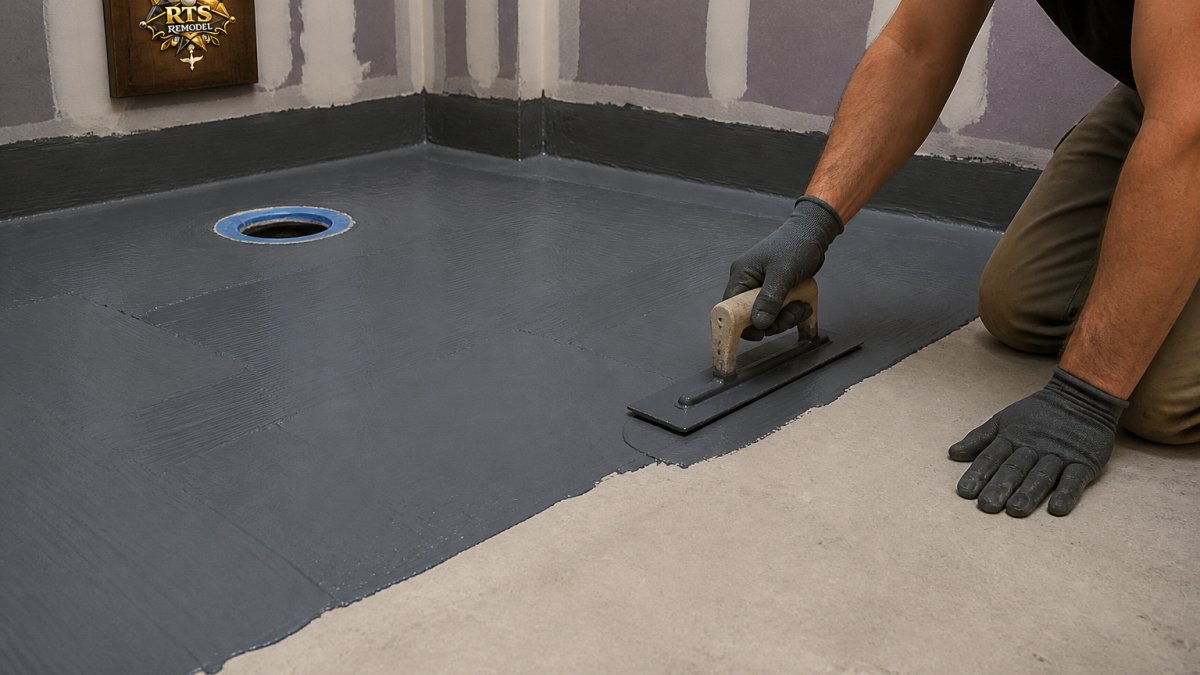
At RTS Remodel, we've installed bathroom floors across the Treasure Valley. The difference between lasting and failing usually isn't the product, it's the substrate prep, waterproofing, and installation precision underneath.
Here are the 5 best bathroom flooring for high moisture areas, with honest pros and cons.
Quick Picks
- Best Overall: Porcelain tile
- Best Value: Luxury vinyl plank (LVP)
- Best for Wet Areas: SPC vinyl
1. Porcelain Tile, Best Overall for High-Moisture Bathrooms
Porcelain is fired dense and non-porous, the gold standard for wet areas. It resists water better than ceramic, works on floors and walls, and pairs with heated floors, but needs proper substrate prep, waterproofing, and grout sealing. The real risk isn't the tile, it's what's underneath: we've pulled up tiles that looked fine but had water trapped in the substrate because waterproofing was skipped.
2. Luxury Vinyl Plank (LVP), Best Value Alternative
LVP offers a waterproof surface at a fraction of tile's cost and convincingly mimics wood or stone. It's warm underfoot and forgiving of minor substrate imperfections, but lower-quality planks dent, and seam separation lets water reach the subfloor, so we recommend LVP for powder rooms and guest baths, not primary master baths.
3. SPC Vinyl, Best for Rigid Core Performance
Stone plastic composite (SPC) vinyl combines a rigid core with a waterproof wear layer, resisting cupping and warping through temperature and humidity swings. It's compatible with radiant heating and installs quickly, though it's harder and colder than LVP and still needs substrate prep and seam sealing.
4. Sheet Vinyl, Best Budget Option
Sheet vinyl comes in large rolls with minimal seams, reliable, affordable, and easy to clean, with no grout to seal. Its continuous surface minimizes water entry points, but the adhesive can fail if moisture builds underneath, so substrate waterproofing is still essential.
5. Ceramic Tile, Time-Tested and Water-Resistant
Ceramic tile is water-resistant when properly sealed, with excellent design flexibility and a lower price than porcelain. It's more porous than porcelain, though, so grout failure is likelier if waterproofing isn't flawless, for heavily used primary baths, we recommend porcelain.
Best Waterproof Flooring for Bathrooms: Installation Matters More Than Material
Most of the outcome depends on what happens before the flooring goes down.
The critical steps:
Substrate: The subfloor must be solid, level, and dry; fix soft spots, flex, or water damage first.
Moisture Barrier: Tile needs a waterproofing membrane (sheet or liquid-applied); vinyl needs a sealed or primed subfloor to prevent adhesive failure and wicking.
Slope and Drainage: Shower floors must slope toward drains to prevent pooling.
Grout and Sealant: Epoxy grout is more water-resistant than standard cement grout.
Seam Sealing: All vinyl seams must be sealed to prevent water wicking underneath.
Installation precision, lippage control, trowel technique, and substrate prep separate a floor that lasts 20 years from one that fails in three. This is where Tile & Stone Installation becomes critical, the craftsmanship underneath determines everything.
Slip-Resistant Bathroom Flooring: Safety and Traction Ratings
Water and bare feet are a dangerous combination, slip resistance is a safety requirement in bathrooms.
Porcelain and ceramic tile can be slippery when polished; textured, matte, or structured finishes offer much better traction, often rated 0.70+ COF.
Vinyl flooring (LVP, SPC, sheet) typically has good slip resistance, and most bathroom vinyl meets or exceeds 0.60 COF.
Avoid glossy, polished finishes in bathrooms, matte or textured finishes are safer for daily use.
| Flooring Type | Water Resistance | Slip Resistance | Durability | Installation Complexity | Best For |
|---|---|---|---|---|---|
| Porcelain tile | Excellent | Good (textured) | Excellent | High | Primary bathrooms, wet areas |
| Ceramic tile | Good | Good (textured) | Good | High | Secondary bathrooms, moderate moisture |
| LVP | Excellent | Good | Fair to Good | Low | Guest baths, budget-conscious projects |
| SPC vinyl | Excellent | Good | Good | Low | High-moisture areas, radiant heating |
| Sheet vinyl | Excellent | Good | Fair | Low | Tight budgets, minimal seams |
Choosing the Right Flooring for Your Bathroom
The best choice depends on moisture exposure, budget, and aesthetics.
Primary master bath: Porcelain tile with proper waterproofing underneath.
Guest bath or powder room: Luxury vinyl plank for waterproof performance at lower cost.
Steam shower or wet area: SPC vinyl or porcelain tile.
Tight budget: Sheet vinyl.
Installation determines whether your floor lasts 5 years or 20, substrate prep, waterproofing, proper slope, and precision installation make the difference.
If you're planning a bathroom remodel in the Treasure Valley and want your flooring installed correctly, REQUEST AN ESTIMATE with RTS Remodel. We manage every step from substrate assessment through final waterproofing and flooring installation, and we specialize in Custom Showers & Tile as part of complete bathroom transformations.
Frequently Asked Questions
What is the best flooring for a bathroom with high moisture?
Porcelain tile and luxury vinyl are the top choices for high-moisture bathrooms. Porcelain is virtually impervious to water and extremely durable, while vinyl offers waterproof protection with easier installation and a softer feel underfoot. The best choice depends on your budget, style preference, and whether you want the longevity of tile or the comfort of vinyl. Professional installation with proper waterproofing is equally important as the material itself.
How do you prevent water from getting under bathroom flooring?
Proper substrate preparation and waterproofing are critical. Before any flooring goes down, the subfloor must be sealed with a quality waterproof membrane. For tile, this means applying a water-resistant underlayment or membrane to the entire floor, then sealing grout lines after installation. For vinyl, the subfloor should be completely dry and sealed. Drainage slope toward a drain or threshold prevents standing water. Professional installation ensures these hidden steps are done correctly, mistakes here lead to mold, mildew, and structural damage that show up months later.
Is porcelain or ceramic tile better for a bathroom floor?
Porcelain tile is the stronger choice for bathrooms. It has a lower water absorption rate than ceramic, making it more resistant to moisture damage and freeze-thaw cycles. Porcelain is also harder and more scratch-resistant, though both are durable. Ceramic is still a solid option and costs less, but porcelain's superior moisture resistance makes it the safer pick for high-moisture areas. Either way, proper grout sealing and substrate waterproofing are essential to prevent water intrusion.