 Ultimate guide
Best Practices for Historic Home Renovation
Last Updated: November 10, 2026
Quick Summary
The best practices for historic home renovation start with the Secretary of the Interior's Standards, which define four treatment approaches and set the national baseline for protecting architectural integrity. Keep character-defining features, repair original materials before replacing them, and make new work read as clearly new.
- Document building history and photograph period details before any demolition begins.
- Confirm whether a historic designation or local preservation commission review applies to your home.
- Keep the kitchen footprint and window positions, then upgrade the systems behind the walls.
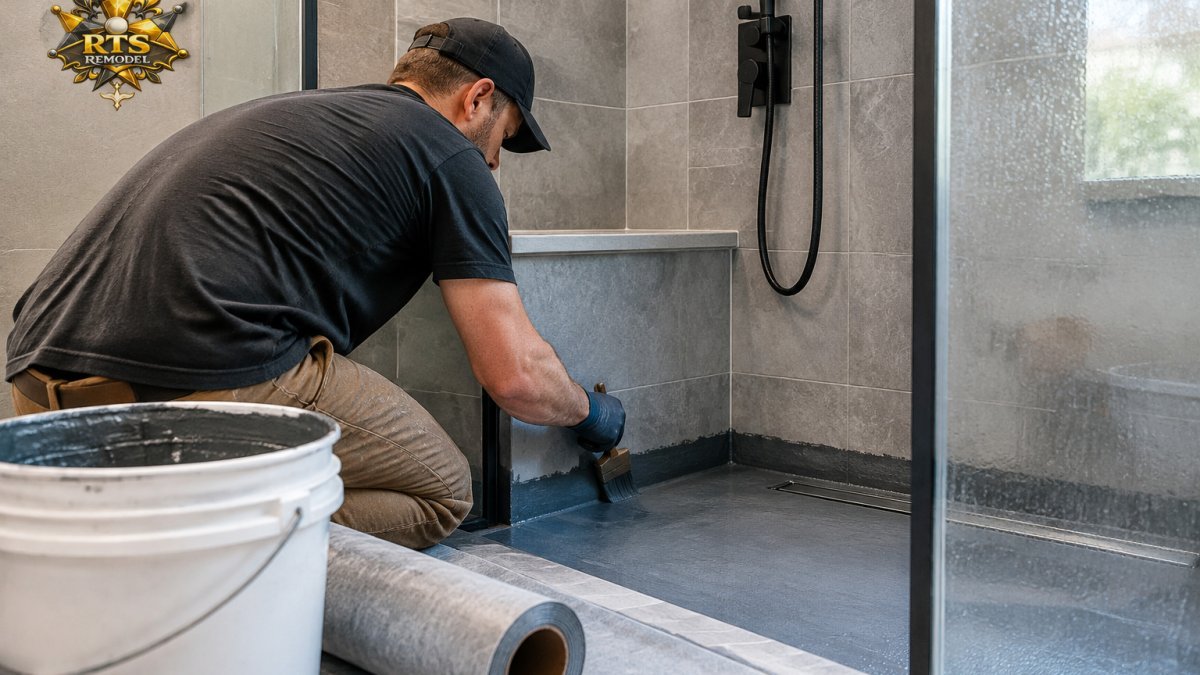
- Water must never reach the framing, so install a continuous waterproofing layer before tile.
- Correct slope to the drain and a flat substrate are essential before setting any tile.
Table of Contents
- Start With the Secretary of the Interior's Standards
- Modernizing Historic Kitchen Layouts Without Losing Character
- Historic Bathroom Waterproofing Standards That Protect the House
- Frequently Asked Questions
Start With the Secretary of the Interior's Standards
The best practices for historic home renovation begin with one document: the Secretary of the Interior's Standards for the Treatment of Historic Properties. Published by the National Park Service, these standards define four treatment approaches (preservation, rehabilitation, restoration, and reconstruction) and set the national baseline for protecting architectural integrity.
The framework is a sound starting point for any older home. Character-defining features stay, original materials get repaired before they are replaced, and new work reads as clearly new (The Secretary of the Interior's Standards for Rehabilitation).
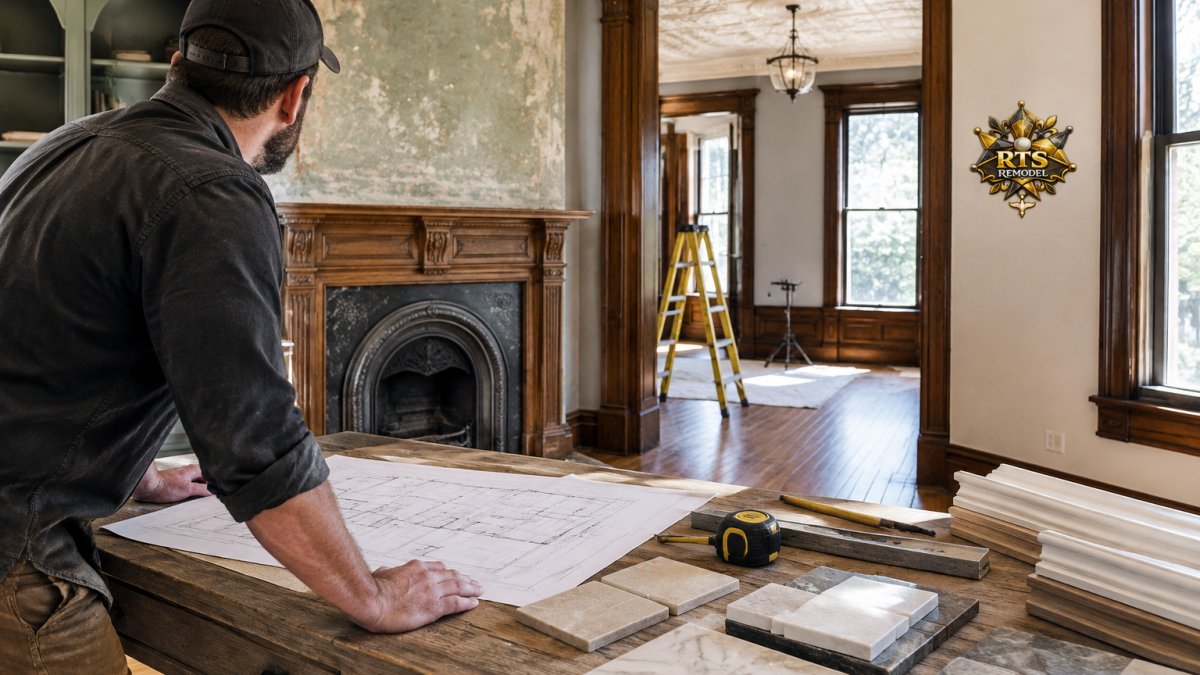
Before demolition, document the building history, photograph period details, and confirm whether a historic designation or local preservation commission review applies. See this 13th-Century Château project for how preservation standards translate into finished work.
The national framework defines four treatment approaches, each with a different scope of work.
| Treatment | What it covers |
|---|---|
| Preservation | Maintaining existing form and materials |
| Rehabilitation | Updating for modern use while keeping character |
| Restoration | Returning the building to a specific period |
| Reconstruction | Rebuilding lost elements from documentation |
Modernizing Historic Kitchen Layouts Without Losing Character
Historic kitchen modernization works when you change what the room does, not what it says. Keep the footprint and window positions, then upgrade the systems behind the walls.
Gutting a kitchen to gain a few inches of counter space rarely pays. Retain the trim profile, match the door style, and let quartz or granite carry the durability. When you are ready to plan that work, review our kitchen remodeling services for Treasure Valley homes, including custom cabinetry installation and granite and quartz countertops.
Historic Bathroom Waterproofing Standards That Protect the House
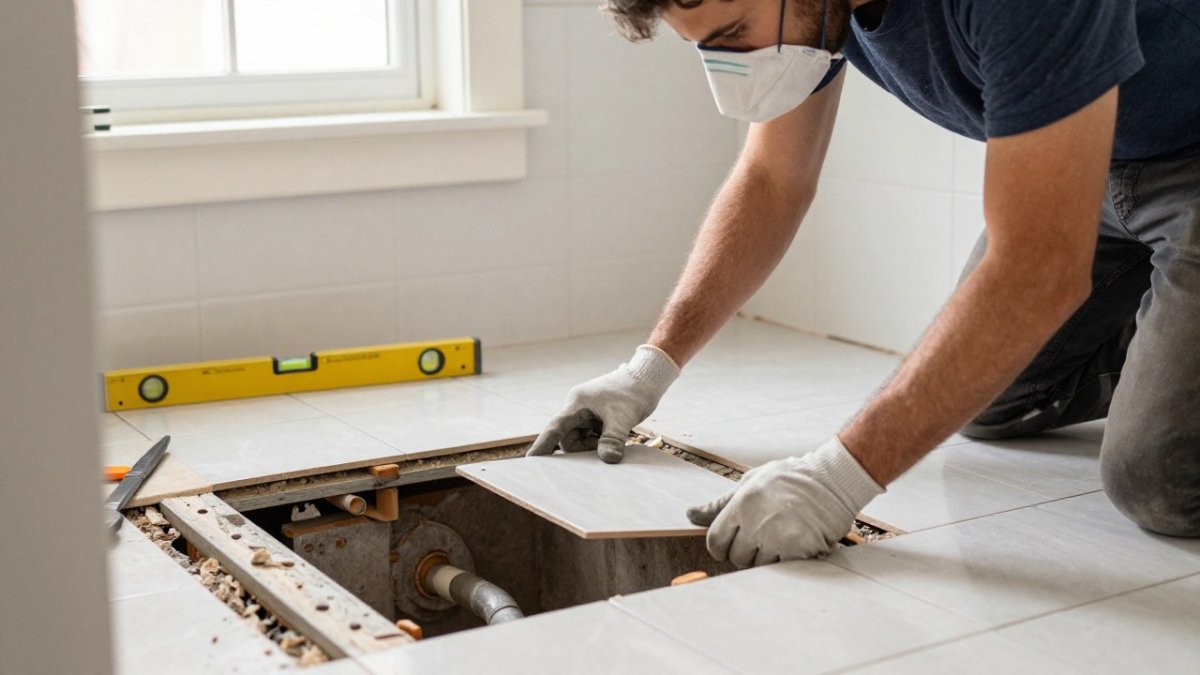
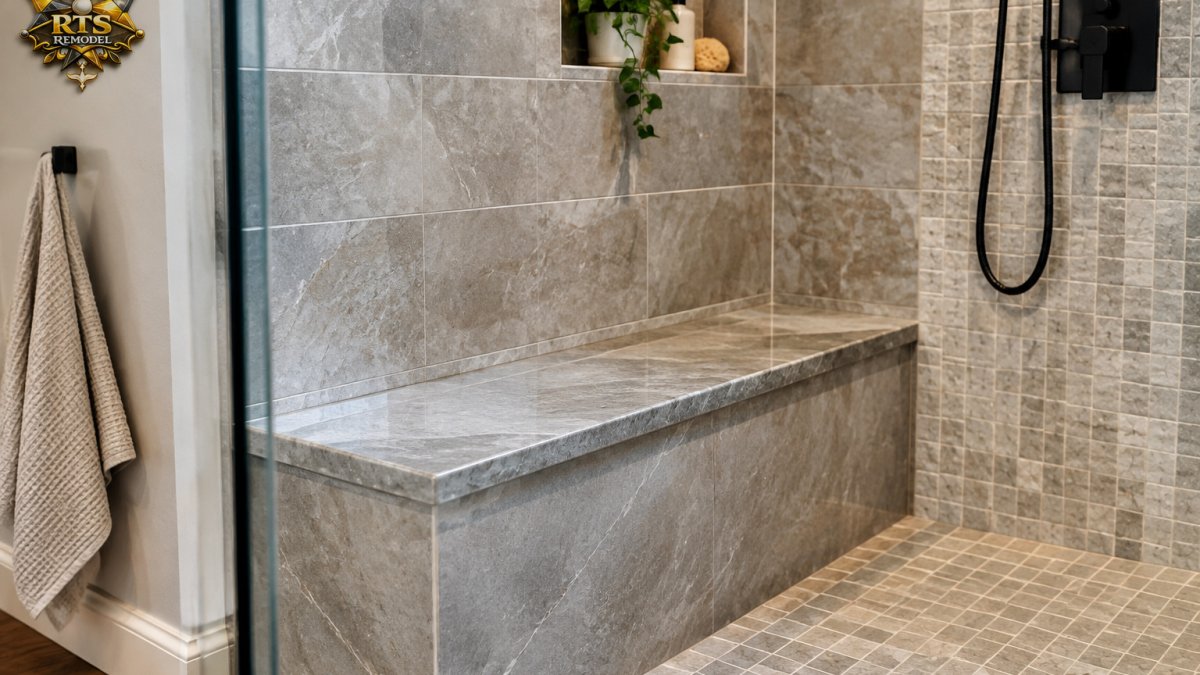
Historic bathroom waterproofing standards come down to one rule: water must never reach the framing. Old bathrooms were built without modern membranes, so a tile job that looks correct can rot a joist within a season. A continuous waterproofing layer, correct slope to the drain, and a flat substrate are essential before a single tile is set.
Compare liquid versus sheet membrane waterproofing before committing, and follow a sound waterproofing and tile sequence so nothing gets installed out of order. For the full scope of what we handle, see our bathroom remodeling and custom shower work, from complete bathroom remodeling to custom showers and tile that suit the age of the house.
Older homes reward patience and punish shortcuts. If you are planning a renovation in Boise, Meridian, Eagle, Star, or Kuna, RTS Remodel brings coordinated project management from demolition through final details, a system-level approach to waterproofing and substrate prep, and hands-on experience with unusual materials and historic structures. Get started with RTS Remodel and renovate with confidence.
Frequently Asked Questions
What are the Secretary of the Interior's Standards for historic rehabilitation?
They are a set of 10 federal standards published by the National Park Service that define how to rehab a historic property while keeping its historic character. They cover retaining character-defining features, repairing rather than replacing original materials, and making new additions compatible but distinguishable. Following them keeps a project eligible for preservation tax incentives and gives you and your contractor a shared baseline for decisions. The full text is free on the NPS website.
How do I modernize a historic kitchen without losing its charm?
Keep the footprint and the features that carry the room's character, then upgrade what sits behind and inside them. Modernizing historic kitchen layouts usually means improving circulation and storage within the existing walls, not knocking them down. New appliances and quartz or granite counters fit fine as long as they read as secondary to the original architecture.
How do I ensure proper waterproofing in a historic bathroom remodel?
Historic bathroom waterproofing standards are the same as modern ones: a continuous waterproof membrane behind tile, correct slope to the drain, and a substrate rated for wet areas. The difference is that older bathrooms often have no membrane at all and framing that has absorbed decades of moisture.