 How-to
Maintaining Custom Tile Showers: A Treasure Valley Care Guide
Last Updated: October 29, 2026
Quick Summary
Maintaining tile showers in the Treasure Valley means managing hard water and dry air with a simple routine: squeegee after every shower, deep clean monthly, and reseal grout once a year. Check grout and caulk for cracks during cleaning, and recaulk joints as soon as they open up.
- Mix equal parts white vinegar and water, let sit 10 to 15 minutes, then rinse and squeegee dry.
- Use a penetrating grout sealer, apply two thin coats, and reseal every year or two in a busy shower.
- Watch for soft floor tiles, crumbling grout, musty smells, or staining that spreads up the walls.
- Keep a spare tube of 100% silicone caulk on hand for base and corner joints.
- Run the exhaust fan during and after showers to manage moisture.
Table of Contents
- Why Tile Showers in the Treasure Valley Need a Maintenance Plan
- Removing Hard Water Stains From Tile Without Damaging the Surface
- Choosing the Best Grout Sealer for Showers
- Why Tile Showers in the Treasure Valley Need a Maintenance Plan
- Your Seasonal Shower Care Checklist
- Frequently Asked Questions
Why Tile Showers in the Treasure Valley Need a Maintenance Plan
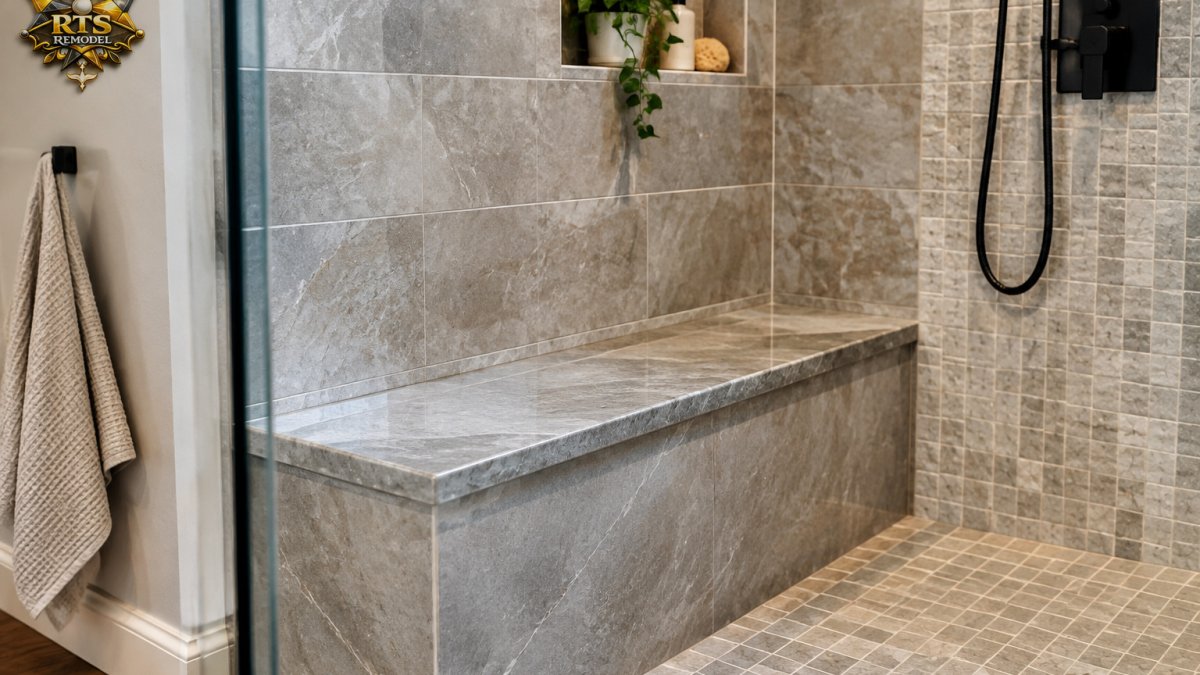
Maintaining custom tile showers in Treasure Valley homes comes down to one fact: our water is hard and our air is dry, tough on tile and grout.
At RTS Remodel, we build showers from the substrate up, so we know where they fail. Most failures start small: a film of white scale, a hairline grout crack. Left alone, water finds the gap.
Hard water leaves mineral deposits on tile, glass, and fixtures, while low humidity pulls moisture from grout. A simple routine keeps a shower sharp and protects the waterproofing underneath.
Removing Hard Water Stains From Tile Without Damaging the Surface
Hard water stains are mineral deposits, mostly calcium, bonded to tile and glass. A mild acid dissolves them without scratching the surface.
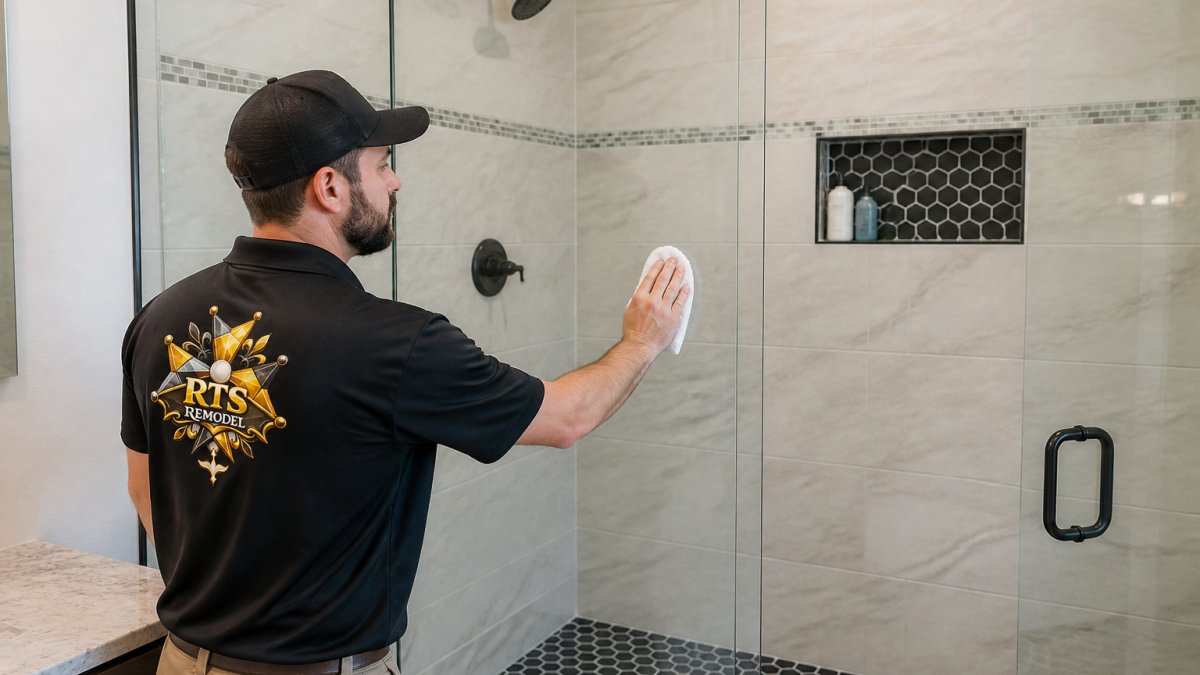
Mix equal parts white vinegar and water, spray, and let sit for 10 to 15 minutes. Wipe with a soft cloth or non-scratch pad, rinse well, and squeegee dry.
For heavier buildup, a baking soda and water paste lifts deposits without abrasives. Skip steel wool and harsh pads, they dull polished porcelain and etch natural stone.
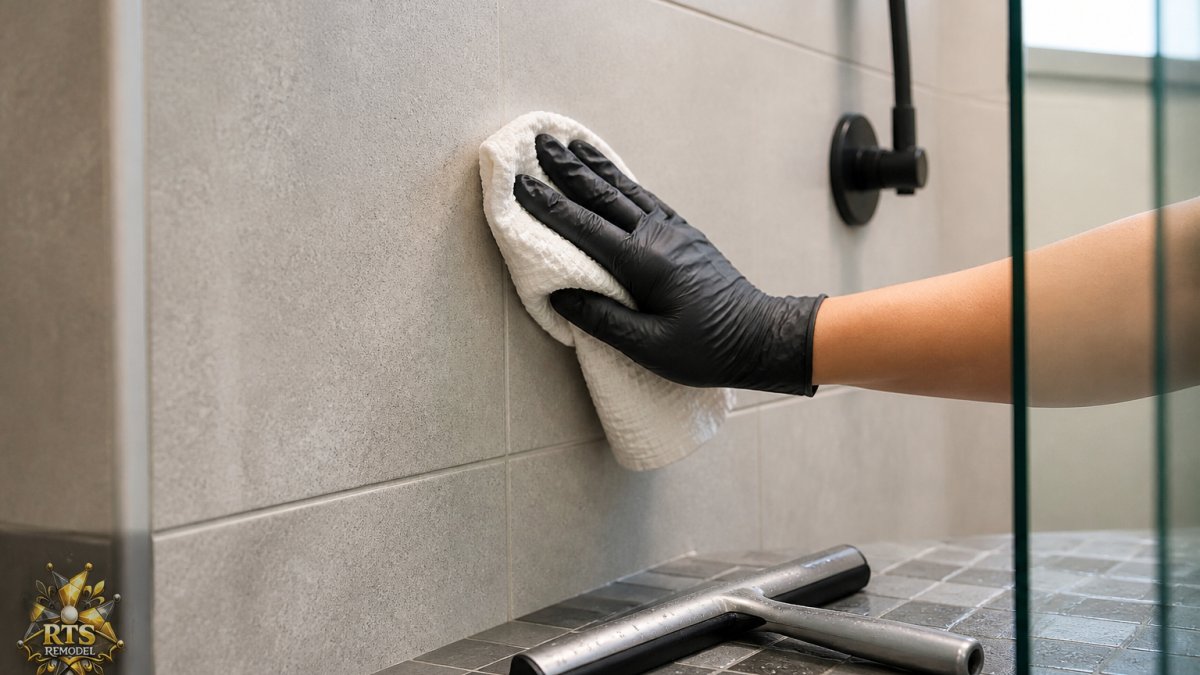
Cleaning is also the moment to check grout. If you spot cracks while scrubbing, learn what causes cracked grout in bathrooms before they spread.
Choosing the Best Grout Sealer for Showers
The best grout sealer for showers is a penetrating sealer, not a film-forming topcoat. For a deeper comparison of natural stone sealers for bathroom showers, see our full guide. Penetrating sealers soak into grout and block water while letting it breathe.
Apply to clean, dry grout, two thin coats beat one heavy coat. Reseal every year or two in a busy shower. Drip water on the grout: if it soaks in, reseal.
Why Tile Showers in the Treasure Valley Need a Maintenance Plan
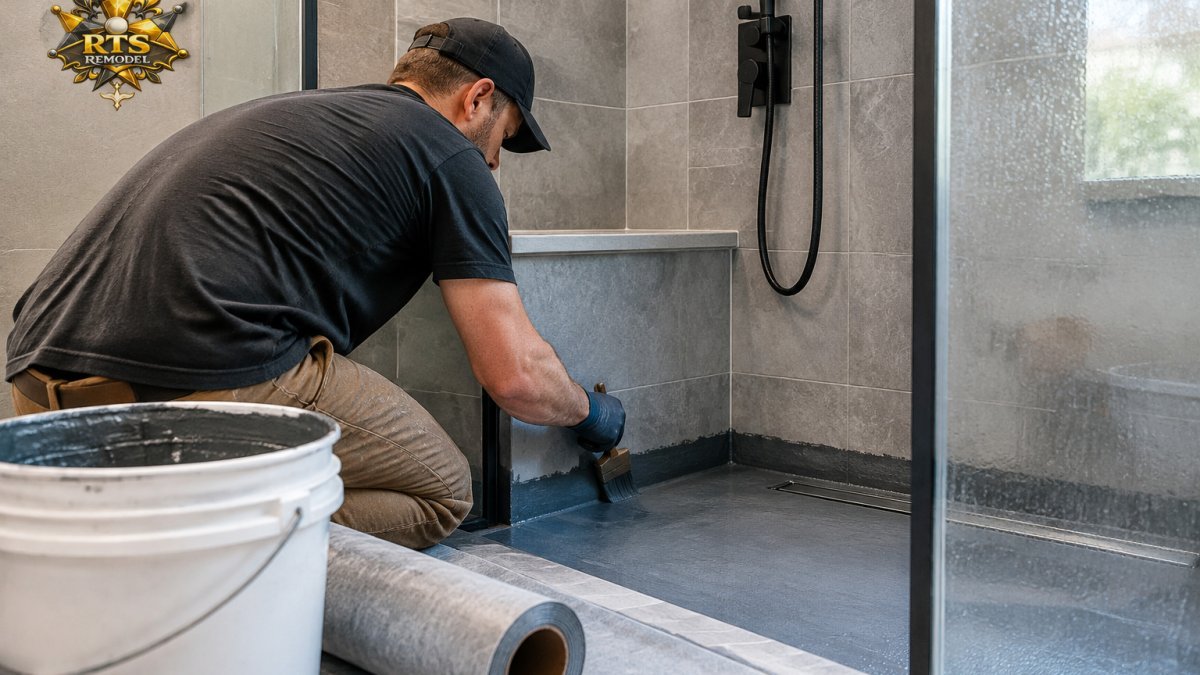
A tile shower is a system: tile, grout, thinset, and the waterproofing membrane behind them all work together. Maintenance protects the layers you can't see.
Skipped maintenance is how small grout cracks turn into a shower pan leak. By the time water shows on the ceiling below, the damage is done.
Proper waterproofing is the backbone of any wet-area installation. Built right, maintenance keeps it that way; built wrong, no amount of cleaning saves it.
Watch for soft or spongy floor tiles, grout that crumbles when touched, a musty smell that won't go away, or staining that spreads up the walls.
If any of these sound familiar, a failing shower pan or membrane may be the cause. Our guide on how to fix a leaking shower membrane explains what's involved. For a full repair or new build, our bathroom remodeling and custom shower team handles waterproofing, large-format tile, niches, and finish work start to finish, and when a shower is beyond saving, our Custom Showers & Tile service covers everything from a fresh pan and membrane to a Slab Shower with seamless, easy-to-clean surfaces.
Your Seasonal Shower Care Checklist
Squeegee glass and walls after every shower, run the exhaust fan during and after showers, deep clean tile and grout monthly, check grout lines and caulk for cracks, reseal grout once a year, and test the shower pan for soft spots.
Keep a spare tube of 100% silicone caulk on hand and recaulk base and corner joints the moment they open up.
Here is the routine we recommend for keeping a Treasure Valley tile shower in good shape.
| Task | Frequency |
|---|---|
| Squeegee glass and walls | After every shower |
| Run the exhaust fan | During and after showers |
| Deep clean tile and grout | Monthly |
| Check grout lines and caulk for cracks | During cleaning |
| Reseal grout | Once a year |
| Test the shower pan for soft spots | During seasonal check |
| Recaulk base and corner joints | As soon as they open up |
Frequently Asked Questions
How often should I seal the grout in my custom shower?
Most cement-based grout in a shower benefits from resealing every 12 to 18 months, though heavy daily use can shorten that. Test by dripping water on the grout: if it soaks in instead of beading, it is time to reseal. Epoxy grouts generally do not need sealing. Proper waterproofing behind the tile is what actually keeps water out, so sealing is upkeep, not a substitute for a sound shower assembly.
Can hard water in the Treasure Valley damage my shower tile?
Treasure Valley water carries dissolved minerals that leave a chalky film on glass, grout, and stone. The tile itself usually holds up, but mineral buildup traps moisture against grout lines and dulls natural stone over time. Wipe walls down after showers, use a squeegee on glass, and clean with mild pH-neutral products. Stubborn scale on stone should be handled carefully, since acidic cleaners can etch marble and travertine.
How do I prevent mold and mildew growth in my tile shower?
Mold needs standing moisture, so ventilation and drying matter most. Run the exhaust fan during and after showers, leave the door or curtain open to air out, and fix any caulk gaps or failing grout promptly. If you see recurring mildew in the same corner, that can point to a moisture barrier or shower pan issue behind the tile rather than a cleaning problem, and it is worth having the assembly checked.
Hard water and dry air will test any shower over time. The right cleaning routine and sealer protect your investment, but when cracks and leaks point to a deeper problem, it's worth calling in a pro. RTS Remodel builds complete bathrooms and custom showers with meticulous substrate prep, proven waterproofing, and detail-driven finish work. Get started with RTS Remodel and request an estimate for a shower that's built to last.